-

Guide to Accepting Specified Skilled Workers in the Food and Beverage Manufacturing Field in Japan|Eligible Workplaces, Exams, the Council, and the Application Flow
The overall picture of hiring foreign nationals on Specified Skilled Worker status at food factories, supermarket production sections, and bakeries or confectioners that make and sell their own products. Based on the operational guidelines (partially revised August 28, 2026) and guidance from the Ministry of Agriculture, Forestry and Fisheries, this guide covers eligible workplaces (Japan Standard Industrial Classification), permitted work, the skills and Japanese language exams, joining the Food Industry Specified Skilled Worker Council (about 2 to 3 months), the field-specific documents for immigration, Specified Skilled Worker (ii), and the separation of the fishery processing industry from April 2027. -
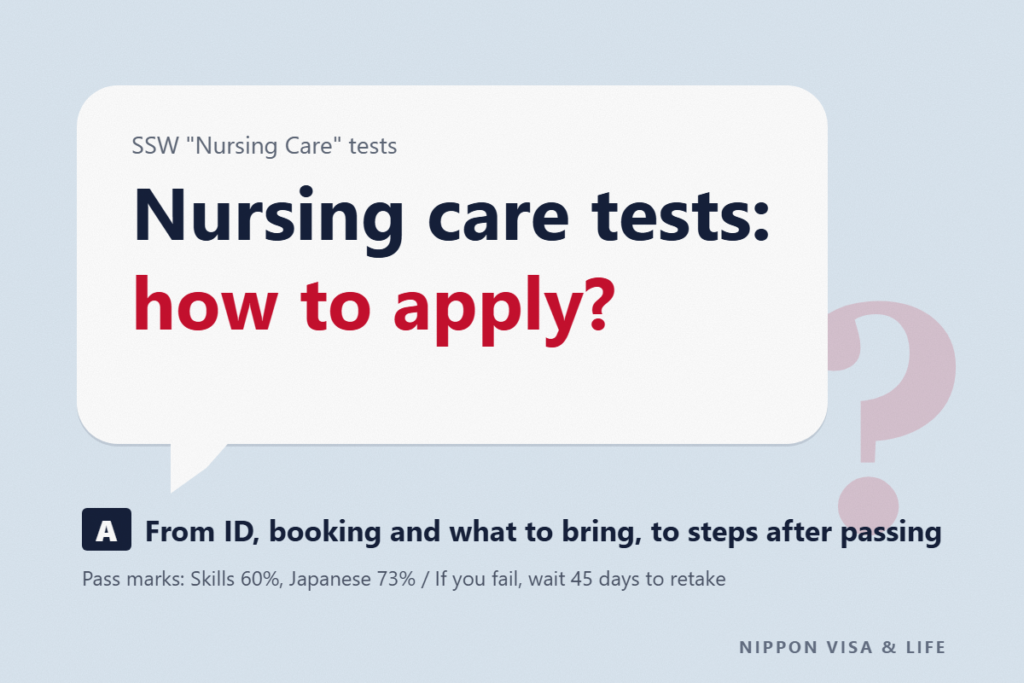
What Is the Nursing Care Specified Skills Evaluation Test (Skills and Japanese)? How to Apply, Schedule, Fees, Passing Criteria, and Procedures After Passing
Based on the guidance of the Ministry of Health, Labour and Welfare and Prometric, this article explains the Nursing Care Specified Skills Evaluation Test (Skills and Japanese; formerly the Nursing Care Skills Evaluation Test and the Nursing Care Japanese Language Evaluation Test) that you take to work in the "nursing care" field of Specified Skilled Worker: what the tests cover, who can take them, how to apply with Prometric (creating an ID, booking, and payment), what to bring on the test day, the score report, the 45-day rule if you fail, the latest pass rates by country, and the order of steps from passing to starting work. -
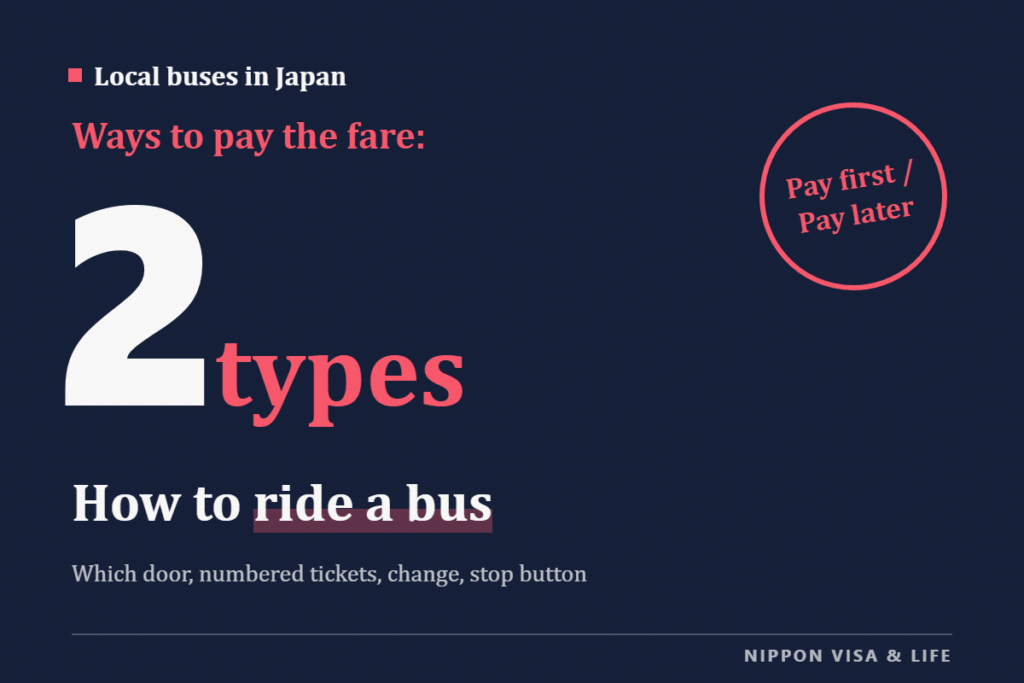
How to Ride a Local Bus in Japan: Which Door to Use, Numbered Tickets, Paying the Fare, and the Stop Button
How to ride local buses in Japan, based on the Immigration Services Agency's "Guidebook on Living and Working" and the official information from city buses (Yokohama, Sendai, Sapporo and Kagoshima) and PASMO. Covers the difference between paying when you get on and paying when you get off, how to use numbered tickets, touching your IC card, changing money, the stop button, and what to do when you do not have enough money. -
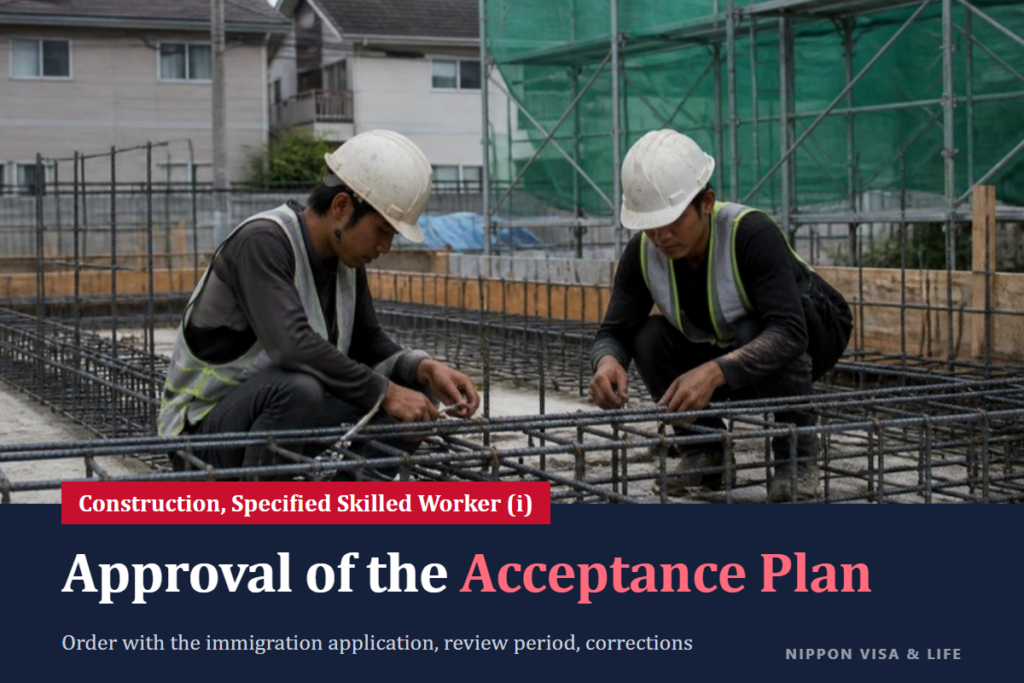
What Is the Construction Specified Skilled Worker Acceptance Plan in Japan? Approval Process, Required Documents, and Review Period Based on MLIT’s Guide
To accept foreign nationals as Specified Skilled Worker (i) in the construction field, you need approval of the Construction Specified Skilled Worker Acceptance Plan from the Minister of Land, Infrastructure, Transport and Tourism, separately from the immigration application. Based on MLIT's guide and the operational guidelines, this article covers the requirements for approval, what to submit to MLIT and to immigration and when, the 16 attachments for MLIT, the review period (about 1.5 to 2 months, excluding correction periods) and when to apply, common reasons for corrections, and the reports, training, and change applications after approval. -
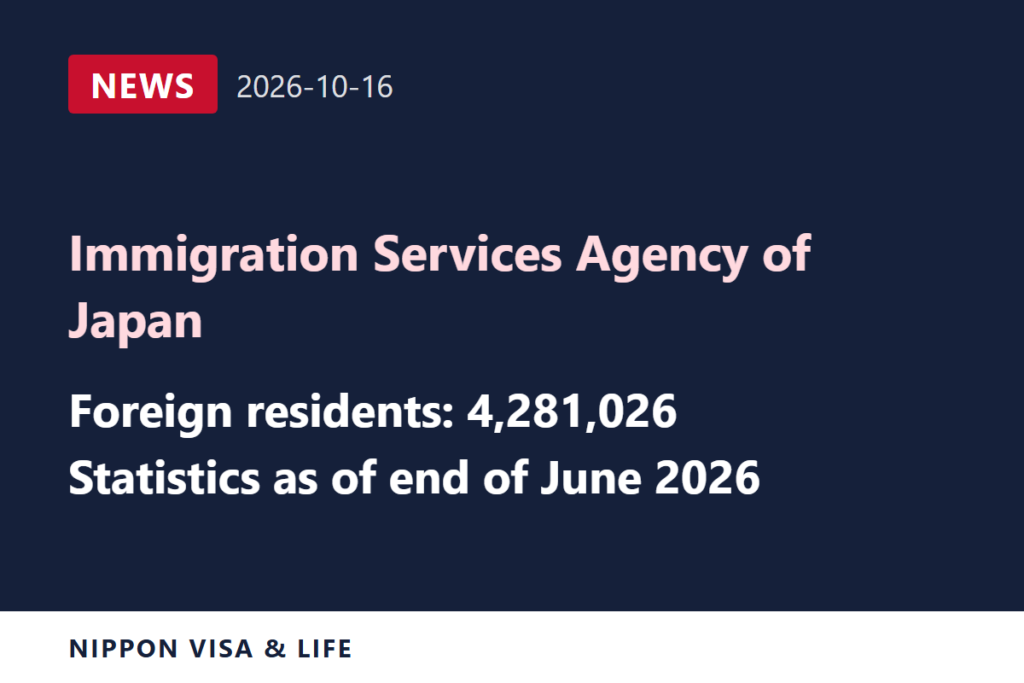
[Breaking News] Immigration Services Agency of Japan Releases Statistics Including the Number of Foreign Residents as of the End of June 2026 (October 16, 2026)
On October 16, 2026, the Immigration Services Agency released the number of foreign residents as of the end of June 2026 (4,281,026), the number of foreign nationals entering Japan in the first half of 2026, and the number of illegal overstayers as of July 1, 2026. This article reports only the facts of the main figures announced. -
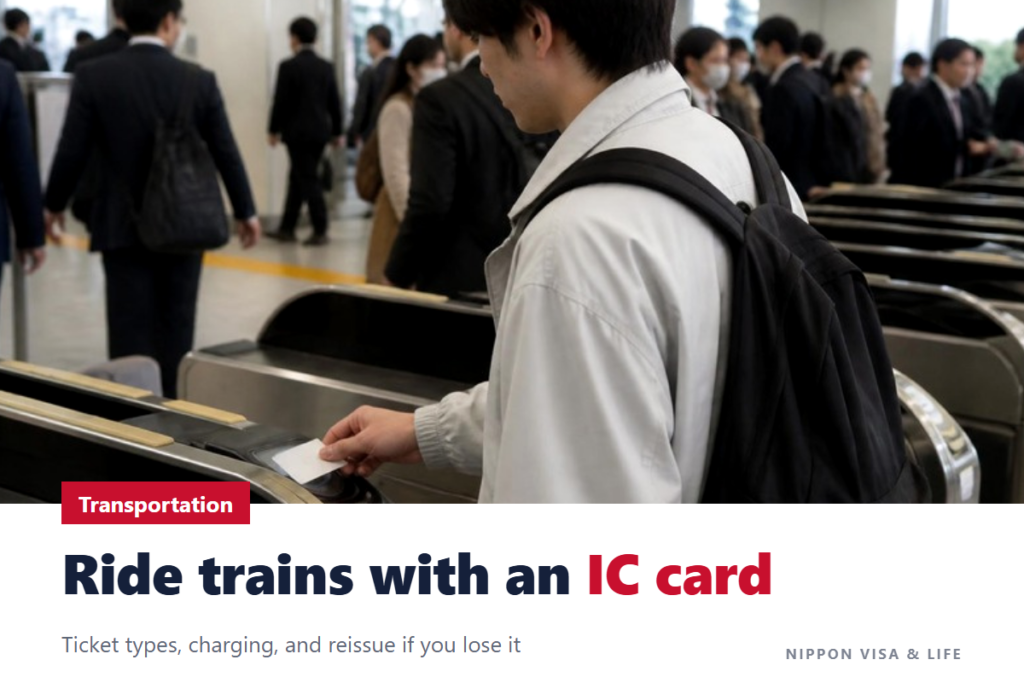
How to Ride Trains in Japan and Use IC Transit Cards: Buying Tickets, Going Through Ticket Gates, Charging, and What to Do If You Lose Your Card
How to ride trains in Japan, based on the Immigration Services Agency's "Guidebook on Living and Working" and the official information on the IC transit card PASMO. Covers the difference between tickets and IC cards, how to go through ticket gates, charging (adding money), what to do when your balance is not enough, limited express tickets and commuter passes, and getting a card reissued if you lose it. -
How to Put Out Oversized Garbage in Japan: Basics of Applying, Disposal Tickets (Stickers), and the Day and Place to Put It Out
How to put out large items such as furniture, futons and bicycles (oversized garbage), based on information from local governments, the Ministry of the Environment and the National Consumer Affairs Center of Japan. Covers applying, how to buy and attach disposal tickets (stickers), the day and place to put it out, items that cannot be put out as oversized garbage, and why you should be careful with businesses that say "we collect for free." -
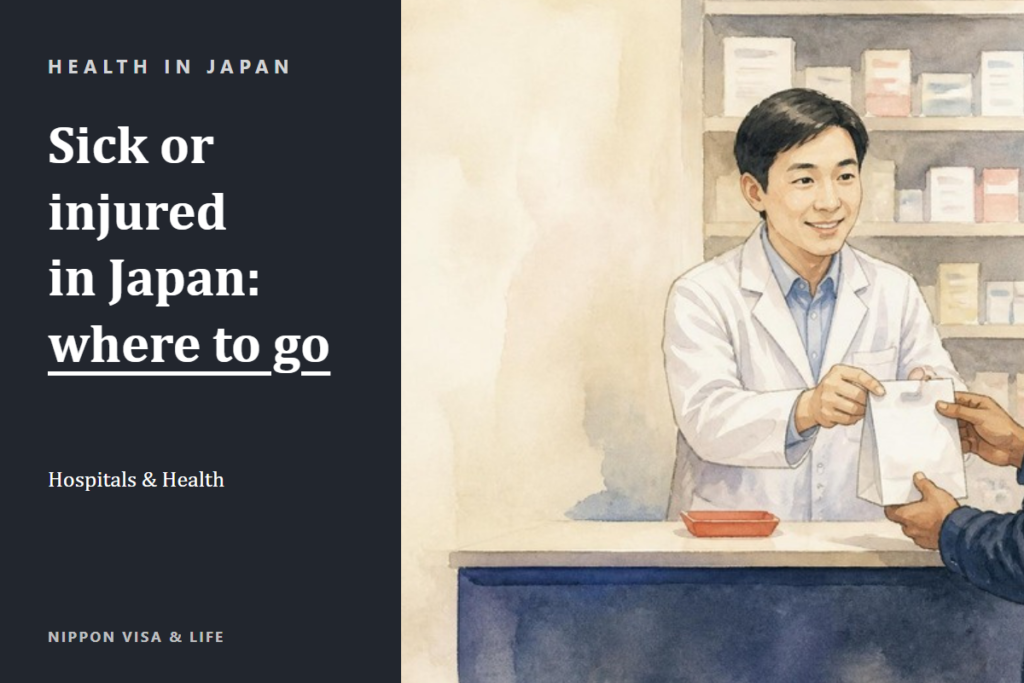
When You Are Sick or Injured in Japan: The Basics of Hospitals, Ambulances, Medicine, Medical Insurance and Where to Get Advice
Based on information from the Immigration Services Agency, the Fire and Disaster Management Agency and the Ministry of Health, Labour and Welfare, this article sums up, situation by situation, where to go and what to use when you are sick or injured in Japan: how to see a doctor for everyday problems, the phone lines for when you are not sure whether to call an ambulance (#7119 and #8000), pharmacies and drugstores, public medical insurance and medical costs, what to do when you become pregnant, health checkups, and where to talk when you are struggling. -
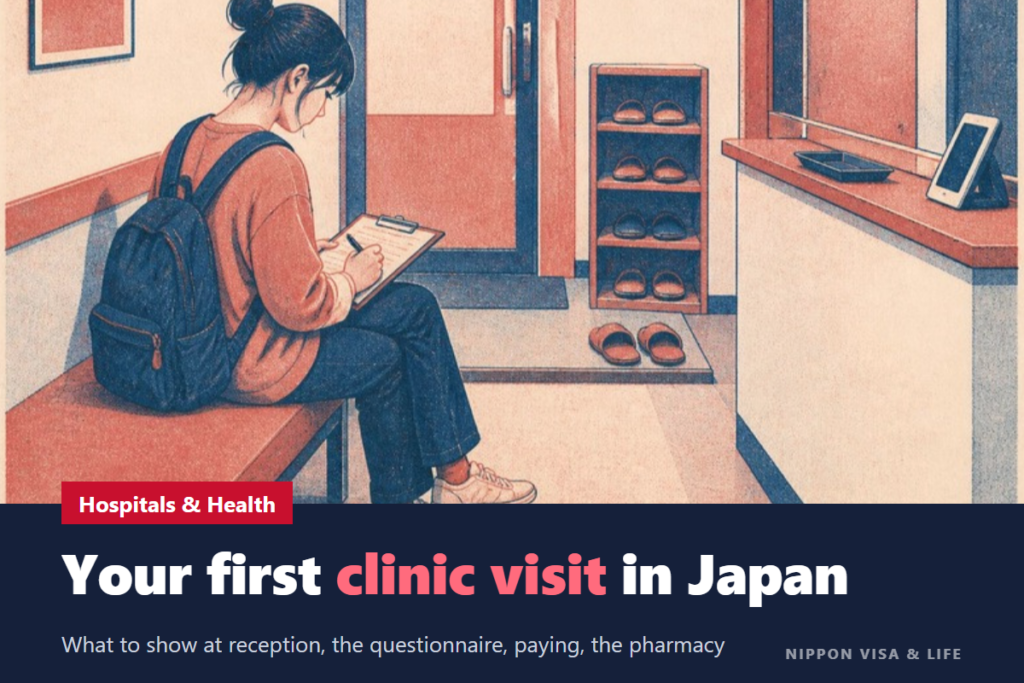
How to See a Doctor in Japan: Choosing Between Hospitals and Clinics, What to Show at Reception, the Medical Questionnaire, Paying, and Getting Your Medicine at a Pharmacy
Based on information from the Immigration Services Agency and the Ministry of Health, Labour and Welfare, this article explains how to see a doctor in Japan when you are sick or injured: the difference between clinics and large hospitals, the "special fee" when you have no referral letter, the My Number health insurance card or eligibility certificate you show at reception, the medical questionnaire, paying, prescriptions and pharmacies, and how to find medical institutions where you can be seen in a foreign language. -
How to Open a Bank Account in Japan: What You Need, Why You May Not Be Able to Open One, and Telling Your Bank When Your Address or Period of Stay Changes
Based on information from the Financial Services Agency and the Immigration Services Agency, this article explains what you need to open a bank account in Japan (residence card, personal seal, employee ID or student ID), how to apply, why you may not be able to open or use an account, how to contact your bank when your address or period of stay changes, and why you must never give your account to someone else.