Life in Japan– category –
-

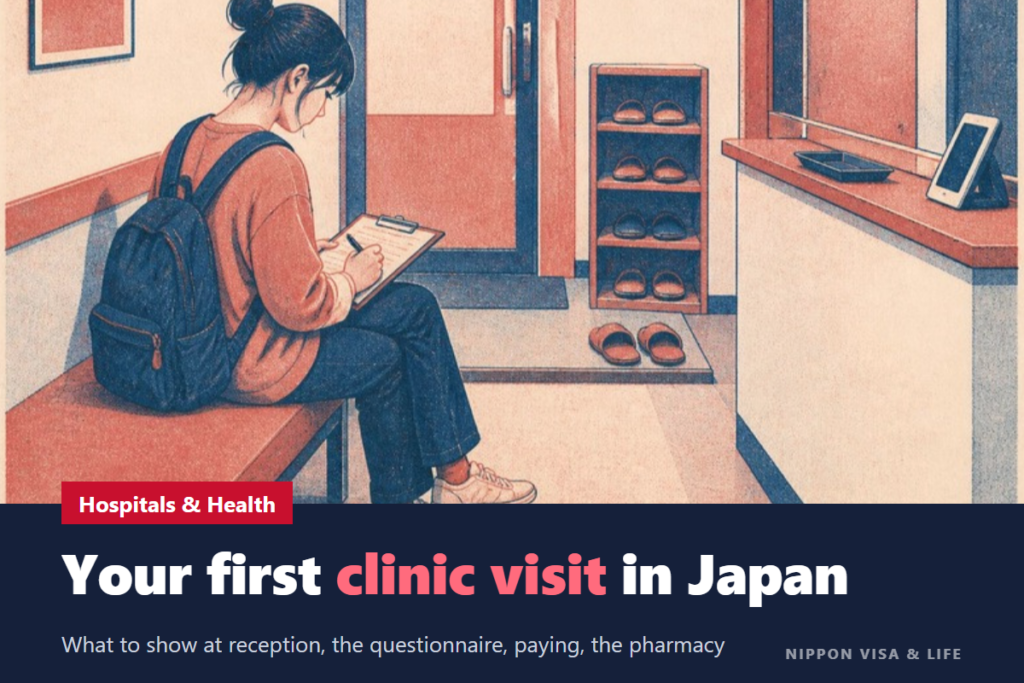
How to See a Doctor in Japan: Choosing Between Hospitals and Clinics, What to Show at Reception, the Medical Questionnaire, Paying, and Getting Your Medicine at a Pharmacy
Based on information from the Immigration Services Agency and the Ministry of Health, Labour and Welfare, this article explains how to see a doctor in Japan when you are sick or injured: the difference between clinics and large hospitals, the "special fee" when you have no referral letter, the My Number health insurance card or eligibility certificate you show at reception, the medical questionnaire, paying, prescriptions and pharmacies, and how to find medical institutions where you can be seen in a foreign language. -
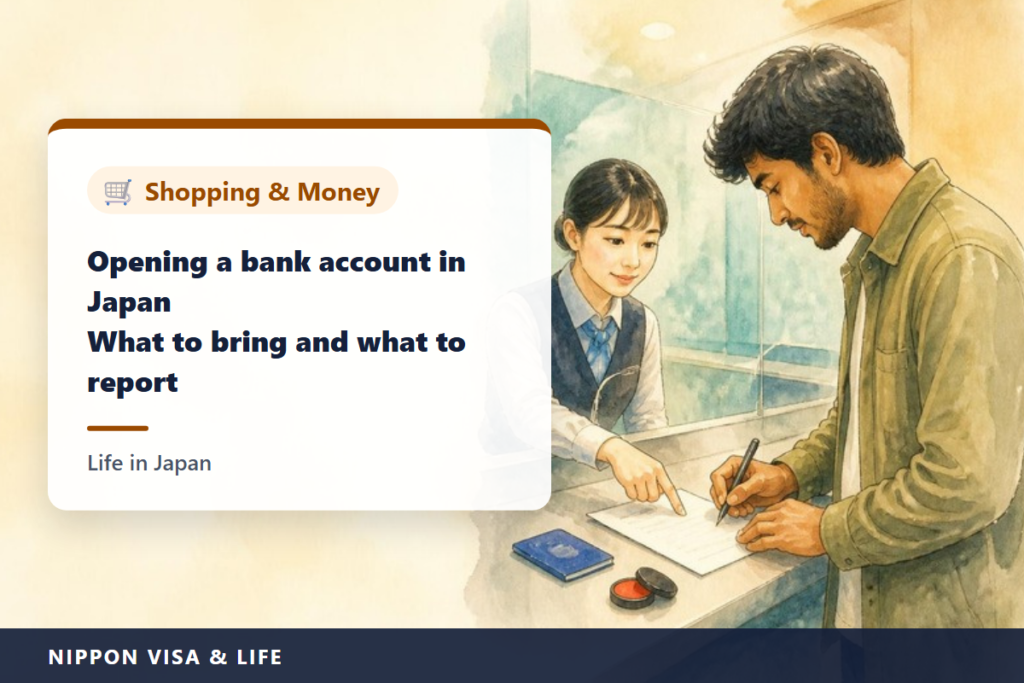
How to Open a Bank Account in Japan: What You Need, Why You May Not Be Able to Open One, and Telling Your Bank When Your Address or Period of Stay Changes
Based on information from the Financial Services Agency and the Immigration Services Agency, this article explains what you need to open a bank account in Japan (residence card, personal seal, employee ID or student ID), how to apply, why you may not be able to open or use an account, how to contact your bank when your address or period of stay changes, and why you must never give your account to someone else. -
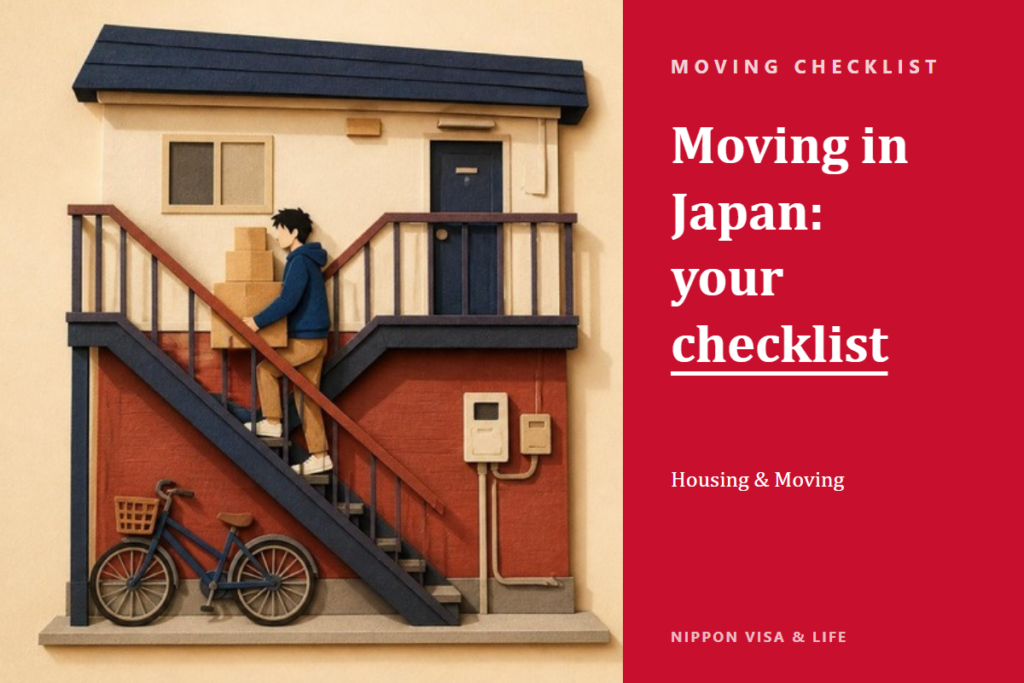
Checklist for Moving Within Japan: Moving-out and Moving-in Notifications, Residence Card, Electricity, Gas and Water, and Mail Forwarding
A checklist of the procedures you need when you move within Japan, divided into before and after the move. Based on information from the Ministry of Internal Affairs and Communications, the Immigration Services Agency, and Japan Post, this article explains the moving-out, moving-in and change-of-address notifications, the address on your residence card and My Number Card, electricity, gas and water, mail forwarding, banks, National Health Insurance, and more. -
How to Use Hello Work: Looking for a Job in Japan as a Foreign Resident (What to Bring, Job Seeker Registration, Interpreters, and Referral Letters)
Hello Work is a government office where you can get job counseling and job referrals for free. Based on information from the Ministry of Health, Labour and Welfare and the Immigration Services Agency, this article explains what foreign residents should bring, the steps of job seeker registration, how to search for job openings, referral letters and interviews, and Hello Work offices with interpreters and Employment Service Centers for Foreigners. -
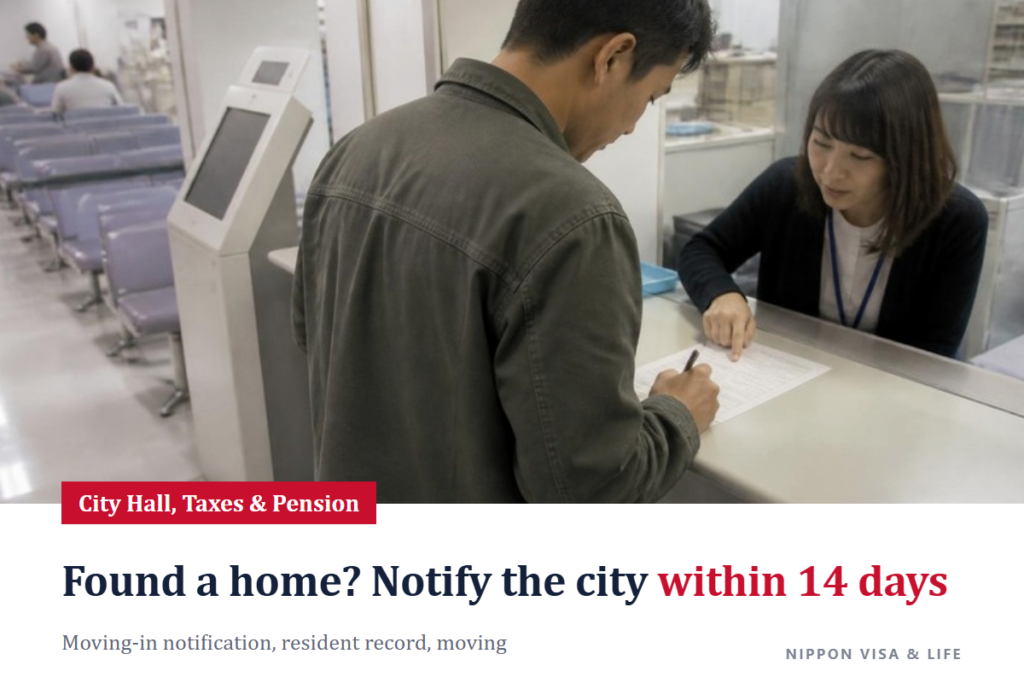
Moving-in Notification and Resident Record: Go to Your City Office Within 14 Days After Your Address in Japan Is Decided (What to Bring, Steps, and When You Move)
When you come to Japan and decide where to live, you must submit a moving-in notification (notification of your place of residence) at your city, ward, town or village office within 14 days. Based on information from the Ministry of Internal Affairs and Communications, the Immigration Services Agency, and the Basic Resident Registration Act, this article explains what to bring, the steps at the counter, the resident record and My Number, the moving-out notification and change-of-address notification when you move, and what happens if you are late. -
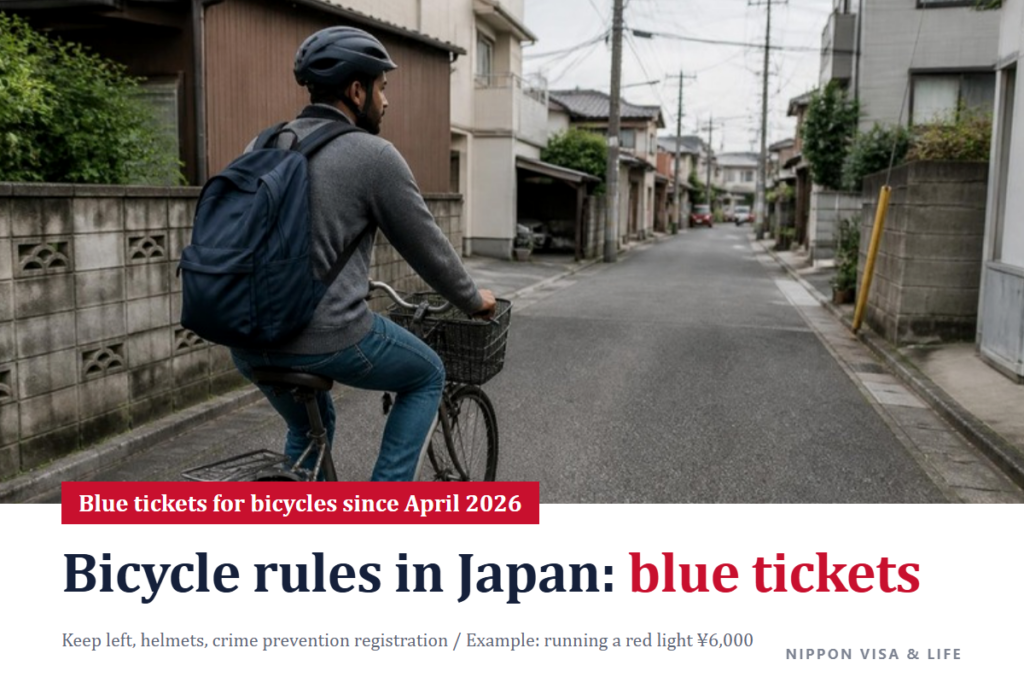
Rules for Riding a Bicycle in Japan: Keep Left, Helmets, Bicycle Crime Prevention Registration, and Blue Tickets (Fines)
A summary of the basic rules for riding a bicycle in Japan, based on information from the National Police Agency and the Immigration Services Agency's "Guidebook on Living and Working." Learn about keeping to the left side of the road, when you may ride on the sidewalk, lights at night, helmets, the ban on smartphones, umbrellas and earphones, the blue ticket system (fines) that started in April 2026, crime prevention registration, parking, insurance, and what to do in an accident. -
What to Do When an Earthquake Hits in Japan: During the Shaking, After the Shaking Stops, and Everyday Preparation
A summary of how to protect yourself when an earthquake occurs in Japan, based on the Immigration Services Agency's "Guidebook on Living and Working" and information from the Japan Meteorological Agency. Learn what to do if the shaking starts while you are at home, outside, or in a car, what to do after the shaking stops, Earthquake Early Warnings, seismic intensity, contacting your family (Disaster Emergency Message Dial 171), and everyday preparation. -
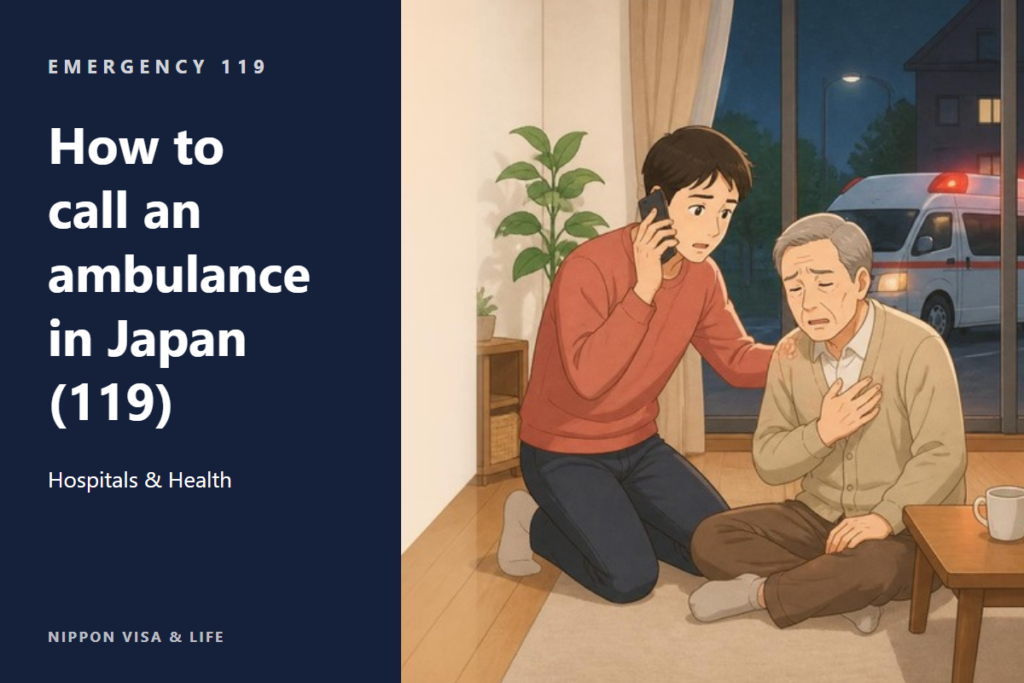
How to Call an Ambulance in Japan: How to Dial 119, What to Say, and Where to Get Advice When You Are Unsure (#7119)
A summary of how to call an ambulance in Japan for a sudden illness or injury, based on materials from the Fire and Disaster Management Agency and the Immigration Services Agency. Learn what you will be asked when you dial 119, examples of symptoms that need a 119 call right away, what to prepare before the ambulance arrives, consultation lines for when you are unsure (#7119 and #8000), and how to make an emergency call in a foreign language. -
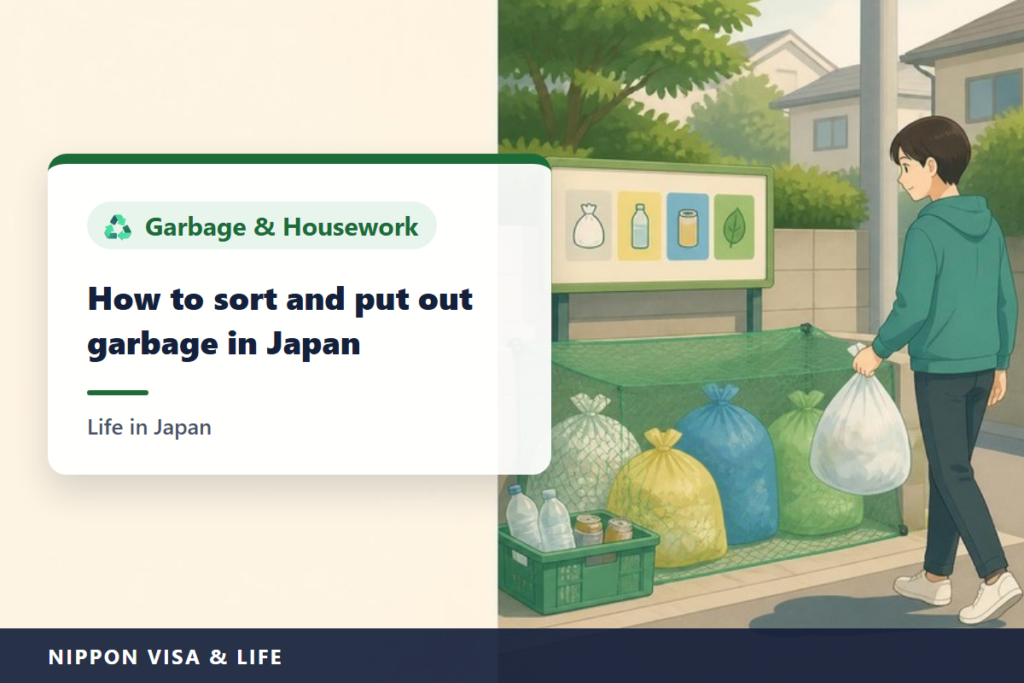
How to Sort and Put Out Garbage in Japan: Basic Rules for Burnable, Recyclable and Oversized Garbage
A summary of the basic rules for putting out garbage in Japan, based on the Immigration Services Agency's Guidebook on Living and Working. Learn examples of how to sort burnable, non-burnable, recyclable, oversized and home appliance garbage, collection days and places, how to throw away cooking oil, how to dispose of air conditioners and TVs, and how to check the rules of your city, ward, town or village.