-

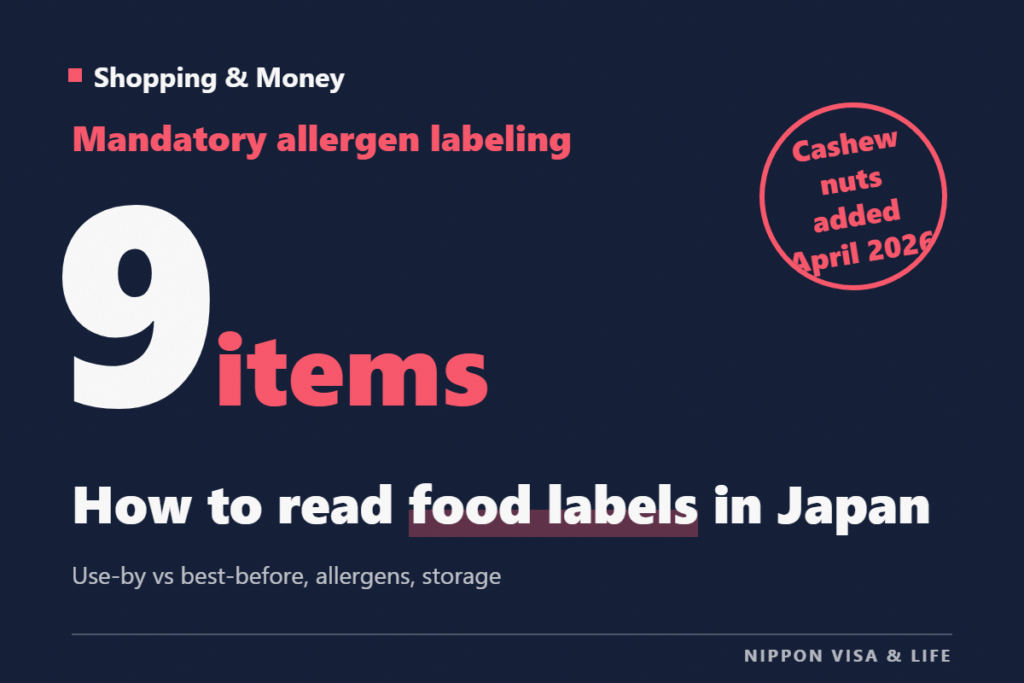
How to Read Food Labels in Japan: Use-by Date vs. Best-before Date, Allergen Labeling (9 Specified Ingredients), Storage Instructions and Nutrition Facts
An explanation of how to read the labels on food you buy at supermarkets and convenience stores in Japan. Based on materials from the Consumer Affairs Agency, it covers the difference between the use-by date and the best-before date, how dates are written (26.12.31, Reiwa 8), the 9 items that must be labeled as allergens (cashew nuts were added in April 2026) and the 20 recommended items, cases where allergens are not labeled, and how to read storage instructions and nutrition facts. -
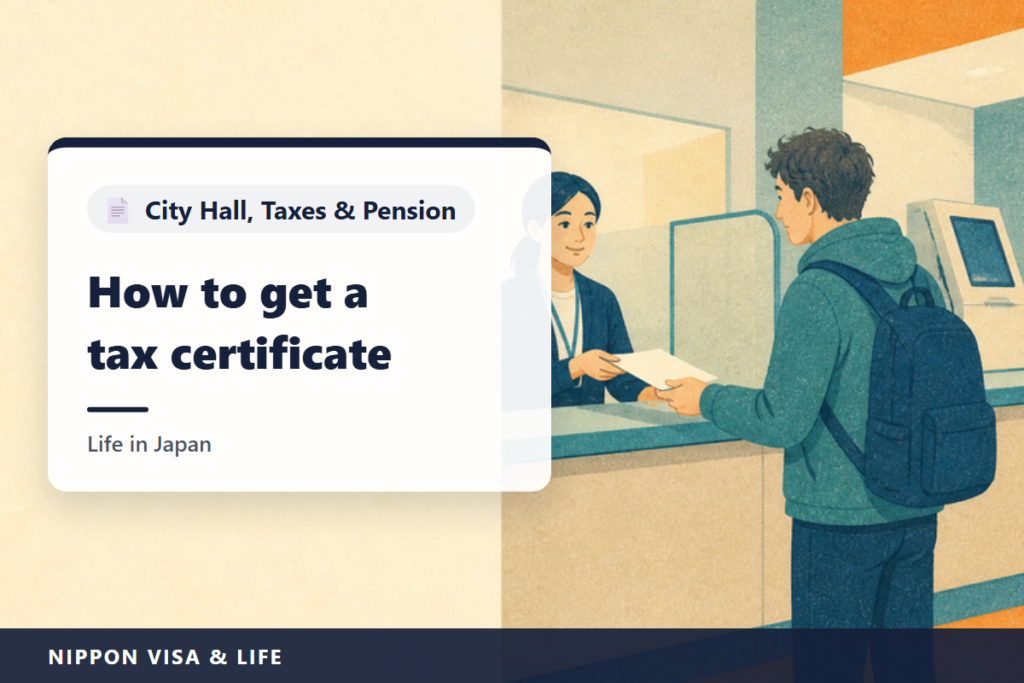
How to Get a Tax Certificate, Tax Exemption Certificate or Tax Payment Certificate in Japan: Which City Office to Ask, Fiscal Year vs. Income Year, Counter, Mail or Convenience Store, and If You Did Not File a Tax Return
An explanation of the differences between the resident tax certificate, tax exemption certificate and tax payment certificate in Japan, and how to get them. Based on official city information, it covers getting them from the city, ward, town or village where you lived on January 1, that the FY Reiwa 8 certificate shows your income for Reiwa 7, that certificates for the new fiscal year are issued from around June, requesting them at the counter, by mail, at a convenience store or online, example fees, letters of authorization for proxies, and cases where they are not issued because you did not file a tax return. -
[Breaking News] Japan Building Maintenance Association Opens Applications and Publishes the Test Guide for the Building Cleaning Specified Skilled Worker (ii) Test on December 18 (October 30, 2026)
On October 30, 2026, following the restoration of My Page, the Japan Building Maintenance Association began accepting applications for the building cleaning Specified Skilled Worker (ii) evaluation test in Japan to be held on December 18. Online applications run until 17:00 on November 10, and test application documents must arrive by November 17. This article also reports only the facts of the changes, such as the order of the tests and the mark-sheet format. -
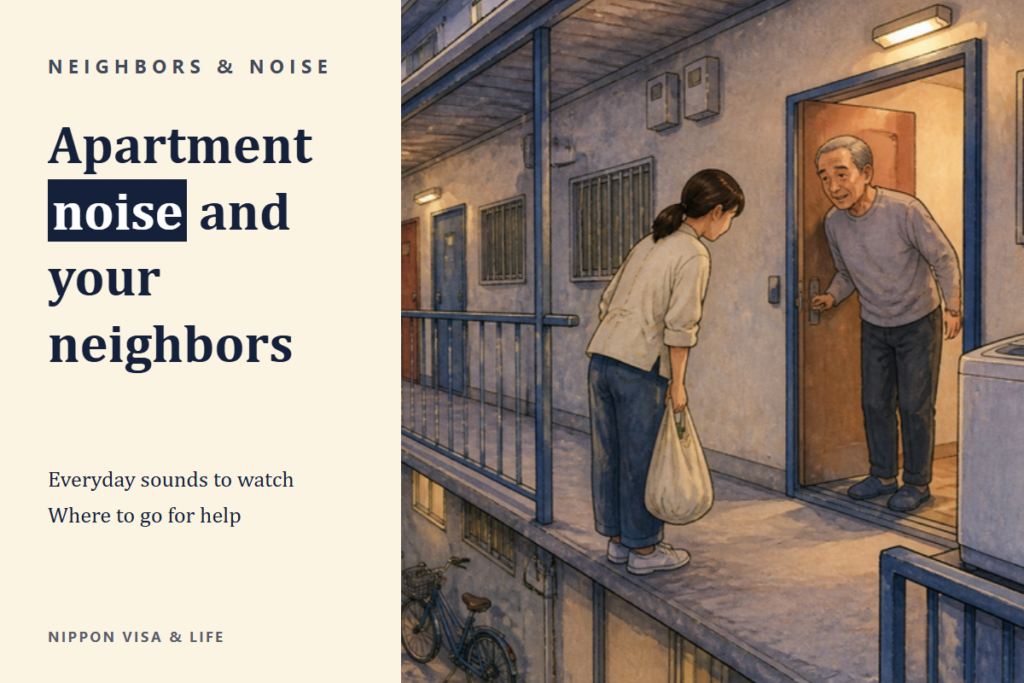
Noise and Neighbors in Japanese Apartments: Everyday Sounds to Be Careful About, What Rental Contracts Say, and Where to Get Help with Noise Problems in Japan
In apartments and condominiums in Japan, everyday sounds such as footsteps, washing machines and voices can cause trouble with neighbors. Based on information from the national government and local governments, this article explains which sounds to be careful about and how to reduce them, what rental housing contracts say, what to do when noise bothers you or when someone complains to you, and where to get help. -
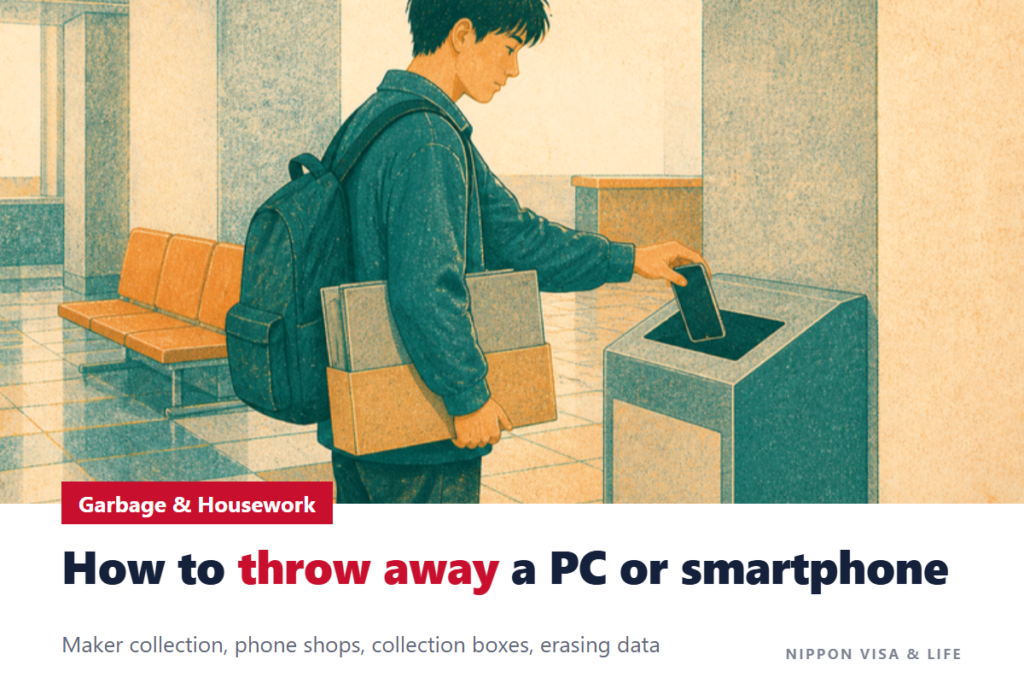
How to Throw Away a Computer, Smartphone or Small Electronics in Japan: Manufacturer Collection, Mobile Phone Shops, Municipal Collection Boxes and How to Erase Your Data
In Japan, small electronics such as computers, smartphones and digital cameras are often thrown away in a different way from regular garbage. Based on information from public organizations and others, this article explains collection by computer manufacturers, collection at mobile phone shops, municipal collection boxes, how to put out rechargeable batteries, and how to erase your data before throwing a device away. -
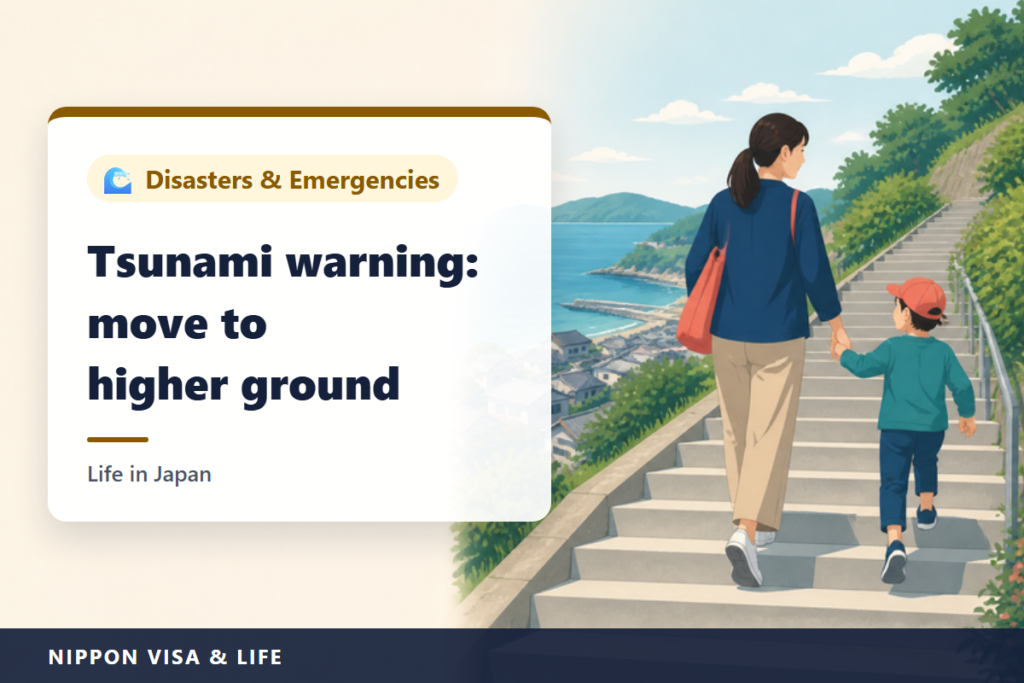
Evacuating When a Tsunami Warning Is Issued in Japan: The Differences Between a Major Tsunami Warning, a Tsunami Warning and a Tsunami Advisory, Escaping on Foot to High Ground, Tsunami Flags and Signs
This article explains what to do when a tsunami warning is issued in Japan. Based on materials from the Japan Meteorological Agency, the Cabinet Office, the Fire and Disaster Management Agency and the Immigration Services Agency, it covers the differences between a major tsunami warning, a tsunami warning and a tsunami advisory and the expected heights, escaping to high ground as soon as you feel shaking, evacuating on foot as a rule, not going back until the warning is lifted, tsunami flags at beaches and evacuation signs, and how to receive information. -
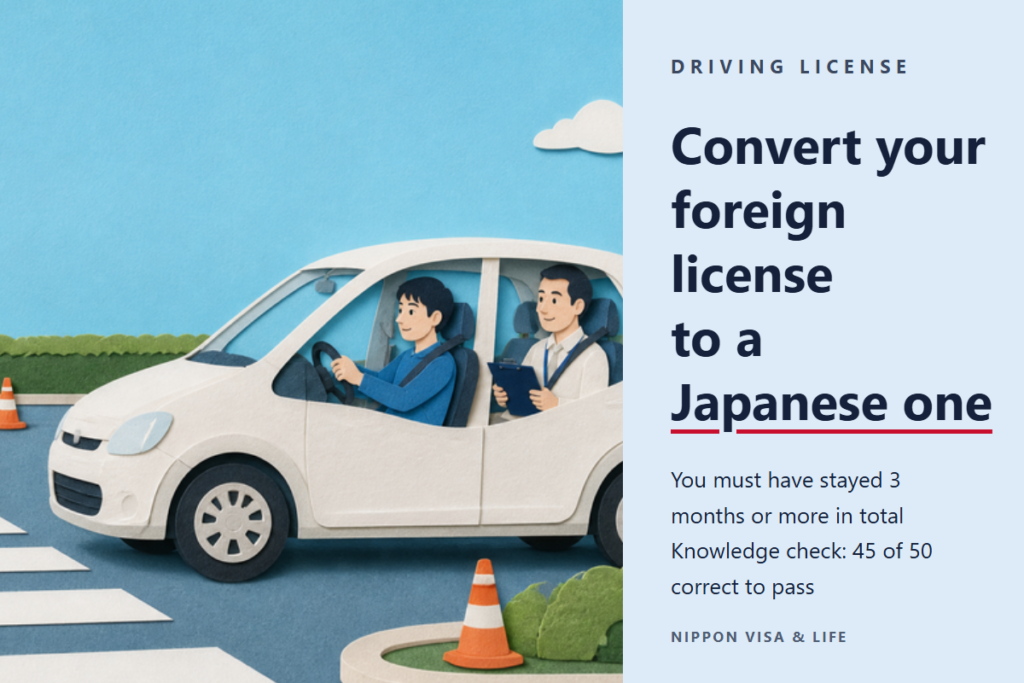
How to Convert a Foreign Driver’s License to a Japanese License in Japan (Gaimen Kirikae): Requirements, Documents, Knowledge and Skills Checks, and Fees
The basics of converting your home country's driver's license to a Japanese driver's license (gaimen kirikae) for foreign residents in Japan: who can convert (you stayed 3 months or more in the country where you got your license), required documents and the Japanese translation, reservations, the knowledge and skills checks that became stricter in October 2025, fees, and points to note about your license after conversion, based on official information from the Tokyo Metropolitan Police Department. -
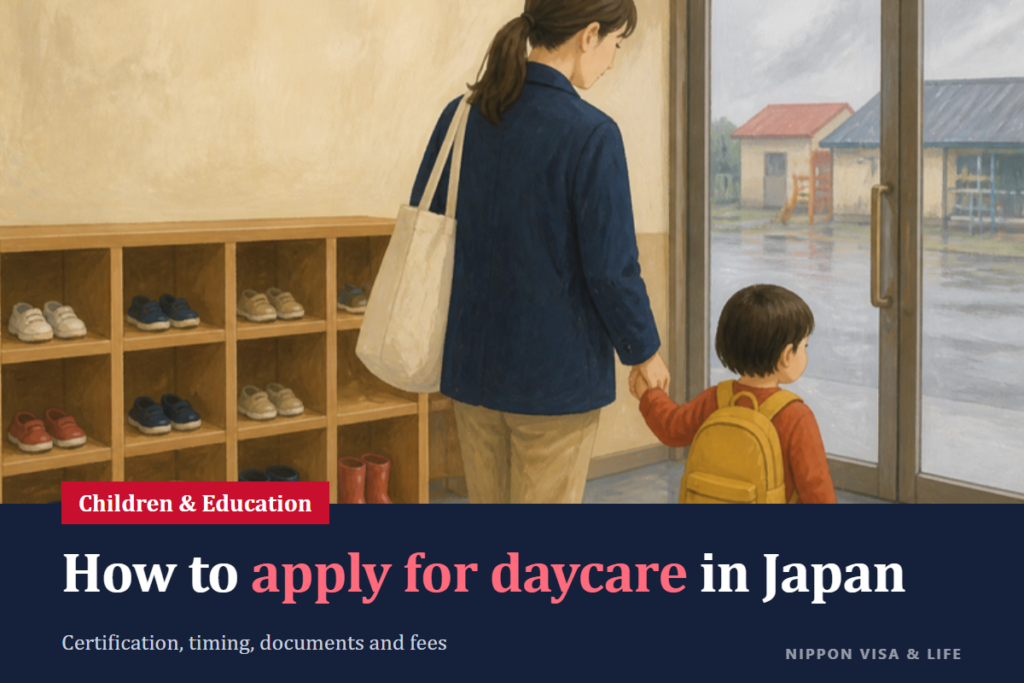
How to Apply for a Nursery School (Hoikuen) in Japan: Types of Certification, When to Apply, Documents, Fees, and If You Cannot Get a Place
The basics of applying for a nursery school (hoikuen / hoikusho) for foreign residents in Japan who want to put their child in one: Certification No. 1, No. 2 and No. 3, the reasons a child needs childcare, when to apply for April entry, the employment certificate, how the city, ward, town or village decides placements, free childcare from age 3 to 5, and other options if you cannot get a place, based on information from the Children and Families Agency and others. -
How to Fill In the Application Form for Specified Skilled Worker “Nursing Care” in Japan: Certificate of Eligibility, Change, and Extension Explained from Top to Bottom with Filled-In Examples
A page-by-page guide to the application forms (Certificate of Eligibility, change, extension) for the status of residence Specified Skilled Worker "Nursing Care" in Japan, using blank forms with marks added. Covers the applicant's information and purpose of entry, the names of the skills and Japanese language tests, the pledges of the public notice standards and the fields to mark "Yes," the numbers from the occupation list and industry list, the number of full-time employees, the support and registered support organization fields, and the signature and name entry. -
Health Checkups and Cancer Screening in Japan: How to Get Your Workplace Health Checkup, the Specific Health Checkup from Age 40, and Cancer Screening from Your City, Ward, Town or Village
In Japan, people employed by a company can get the company's health checkup, people aged 40 to 74 can get the specific health checkup (tokutei kenshin) from their health insurance, and people of certain ages can get cancer screening from their city, ward, town or village. Based on information from the Ministry of Health, Labour and Welfare and the Immigration Services Agency, this article covers who is eligible, the cost, when to get checked, what the tests are, and what to do after you receive your results.