-

How to Apply for School Attendance Assistance (Shugaku Enjo) in Japan: Which Families Can Get Help with School Supplies, School Lunch and School Trip Costs for Elementary and Junior High School, When to Apply and What Documents to Submit
In Japan, families who have difficulty sending their children to elementary or junior high school for financial reasons can receive School Attendance Assistance (shugaku enjo), in which the city, ward, town or village helps pay for school supplies, school lunch, school trips and more. Based on information from the Ministry of Education, Culture, Sports, Science and Technology (MEXT) and from Yokohama City and Osaka City, this article explains which families are eligible, which costs are covered, how to apply through the school, when to apply, applying every year, income checks and documents, and notices in foreign languages. -
The Lump-sum Withdrawal Payment from Japan’s Pension: Who Can Claim It After Returning Home, How Much, and How to Claim It (National Pension and Employees’ Pension Insurance, the 2-Year Deadline After Leaving Japan, and the Tax Refund)
This article explains the Lump-sum Withdrawal Payment that foreign nationals who were enrolled in Japan's National Pension or Employees' Pension Insurance can receive after returning to their home country. Based on information from the Japan Pension Service, it covers who can receive it, the table of National Pension payment amounts for FY2026 (Reiwa 8), how the Employees' Pension amount is calculated, the claim deadline of 2 years after leaving Japan, the claim form and required documents, how it relates to the moving-out notification, the 20.42% income tax on the Employees' Pension payment and how to get it refunded, and the fact that receiving the payment cancels your pension enrollment periods. -
How to Receive Disaster Information in Japan in Your Own Language: The Safety tips App, the Japan Meteorological Agency’s Multilingual Pages, and Multilingual Guides That Help in a Disaster
This article explains how to receive information about disasters in Japan, such as earthquakes, tsunami, heavy rain and typhoons, in your own language, such as English, Vietnamese or Nepali. Based on materials from public organizations, it covers the notifications and functions of "Safety tips" (15 languages, free), an app supervised by the Japan Tourism Agency, the Japan Meteorological Agency's multilingual disaster prevention information pages, multilingual guides and videos from the Immigration Services Agency and the Cabinet Office, and tools you can use when you want to ask for help in Japanese. -
Rules for Flying a Drone in Japan: Registering Aircraft Weighing 100g or More, Places and Flying Methods That Need Permission or Approval, and No-Fly Rules for Parks and Around Important Facilities
This article explains the rules for flying drones and radio-controlled aircraft in Japan, based on official information from the Ministry of Land, Infrastructure, Transport and Tourism and the National Police Agency. It covers registration and Remote ID for aircraft weighing 100g or more, places where you need permission (around airports, at 150m or higher, over densely inhabited districts, etc.), flying methods that need approval (at night, beyond your sight, less than 30m from people or objects, etc.), the ban on flying around important facilities, park ordinances, and radio wave rules for drones brought from abroad. -
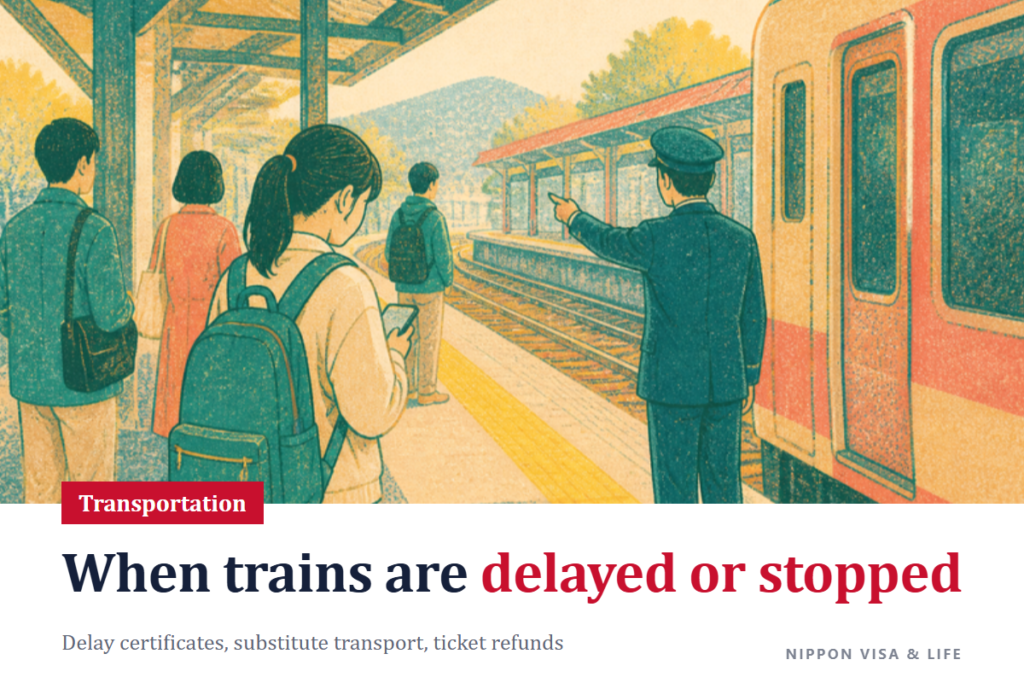
What to Do When a Train Is Delayed or Stopped in Japan: How to Check Train Service Information, Get a Delay Certificate, Use Substitute Transportation, and Get a Refund on Your Ticket
This article explains what to do when trains in Japan are delayed or stopped. Based on official information from JR East and Tokyo Metro, it covers how to check train service information, how to get a delay certificate (a document showing that a train was late), how to use substitute transportation (a system that lets you reach your destination on another line), why riding with the stored balance on a transit IC card is not covered by substitute transportation, and refunds for tickets and commuter passes. -
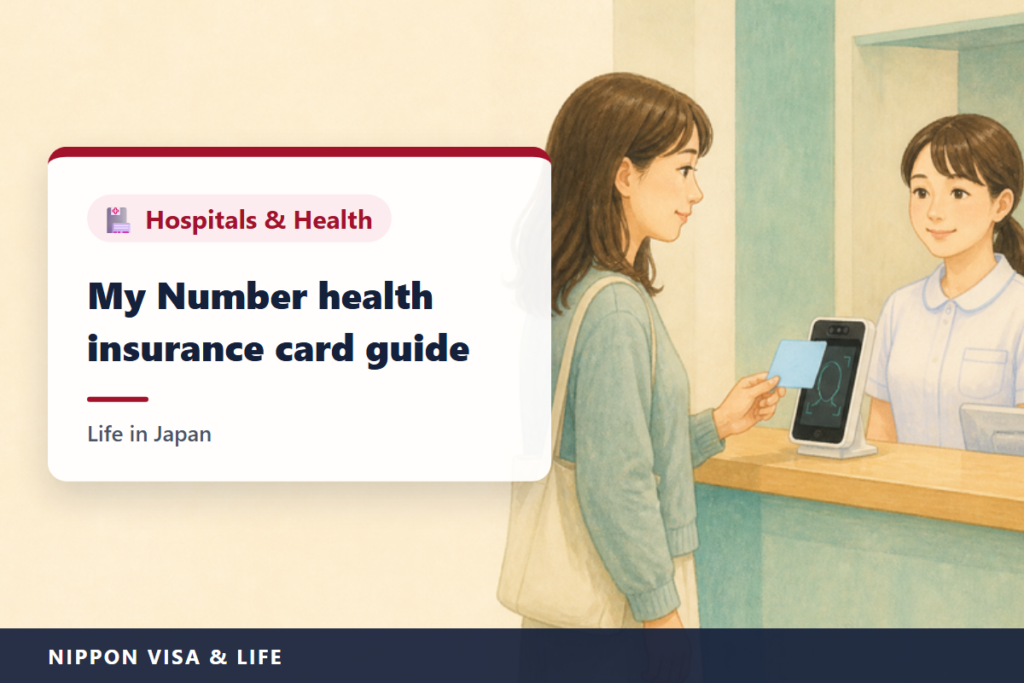
My Number Health Insurance Card and Eligibility Certificate in Japan: What to Show at Hospitals, How to Register Your My Number Card as a Health Insurance Card, and How to See a Doctor When Your My Number Card Cannot Be Used at Reception
At hospitals and pharmacies in Japan, instead of the old health insurance card, you show either a My Number health insurance card (a My Number card registered for use as a health insurance card) or an eligibility certificate. Based on information from the Ministry of Health, Labour and Welfare and the Immigration Services Agency, this article explains how to register your My Number card as a health insurance card, face recognition and the PIN at reception, who receives an eligibility certificate automatically and who must apply for one, how to see a doctor when your My Number card cannot be used at reception, and what to watch out for when you change jobs, move or extend your period of stay. -
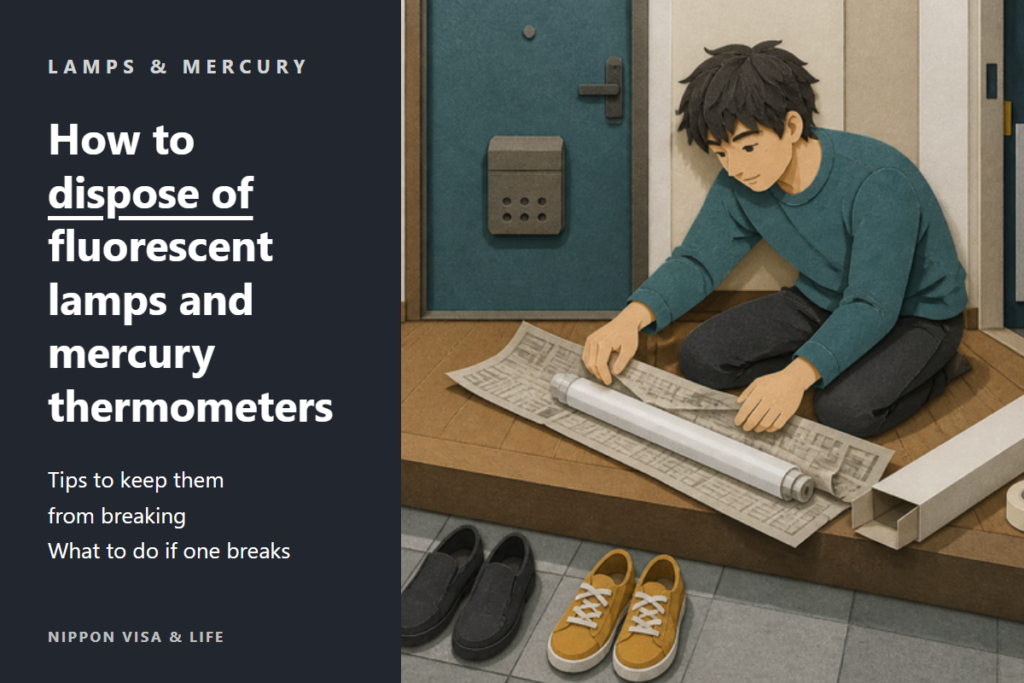
How to Throw Away Fluorescent Lamps, Light Bulbs and Mercury Thermometers in Japan: How to Put Them Out Without Breaking Them, and How to Clean Up If One Breaks
In Japan, fluorescent lamps and mercury thermometers contain mercury, so they are put out separately from burnable garbage. Based on information from the Ministry of the Environment and others, this article explains how to tell whether an item contains mercury, examples of how municipalities collect them (Shinjuku City, Osaka City and Yokohama City), tips for putting them out without breaking them, how to clean up if one breaks, and the fact that the manufacture, import and export of fluorescent lamps for general lighting will end in stages by the end of 2027 (using them is not prohibited). -
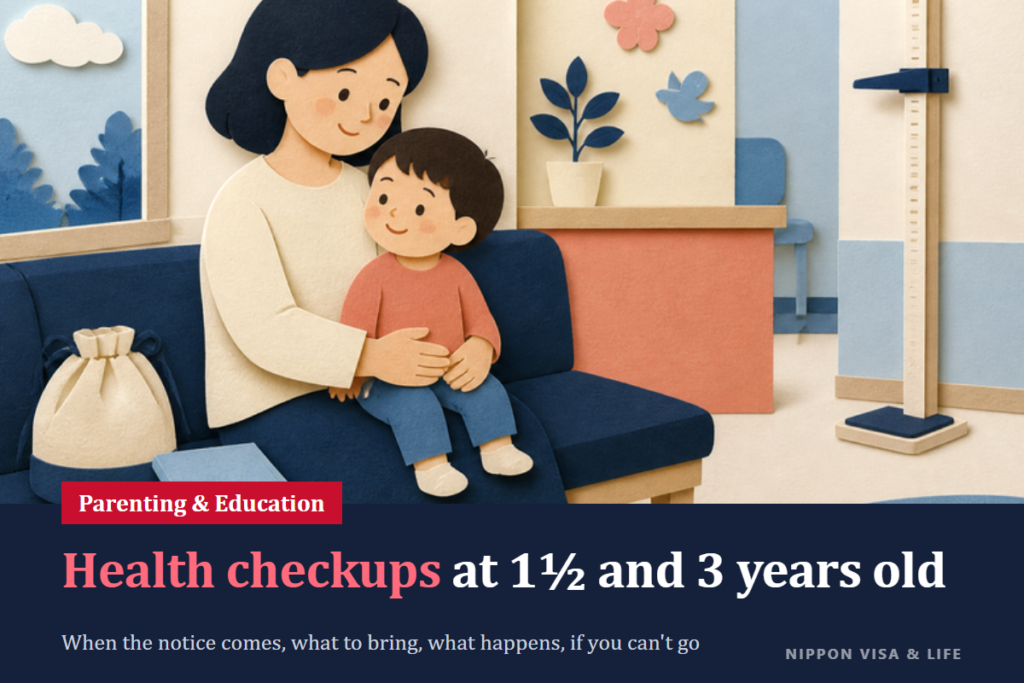
Health Checkups for Children Aged 1 Year 6 Months and 3 Years in Japan: When the Notice Arrives, What to Bring, What Happens on the Day, and If You Cannot Go
In Japan, cities, wards, towns and villages carry out health checkups (infant and toddler health checkups) for children aged 1 year 6 months and 3 years. Based on the Maternal and Child Health Act, the Children and Families Agency and local government information, this article explains the target ages, how the notice arrives, costs, what to bring (Maternal and Child Health Handbook, questionnaire, toothbrush, urine, etc.), the checks done on the day, and who to contact if the date is inconvenient or no notice arrives. -
When Something Breaks in Your Rental Apartment in Japan: Who to Contact About the Air Conditioner, Water Heater or Leaks, and Who Pays for Repairs
What to do when equipment such as the air conditioner, water heater, toilet or water pipes breaks in your rental home in Japan. This article covers contacting your landlord or management company first, the basics of whether the landlord or the tenant pays for repairs (the Civil Code and the Ministry of Land, Infrastructure, Transport and Tourism's Standard Rental Housing Contract), small repairs you can do yourself such as light bulbs and washers, what happens when a leak damages the unit below, and where to get help (Consumer Hotline 188). -
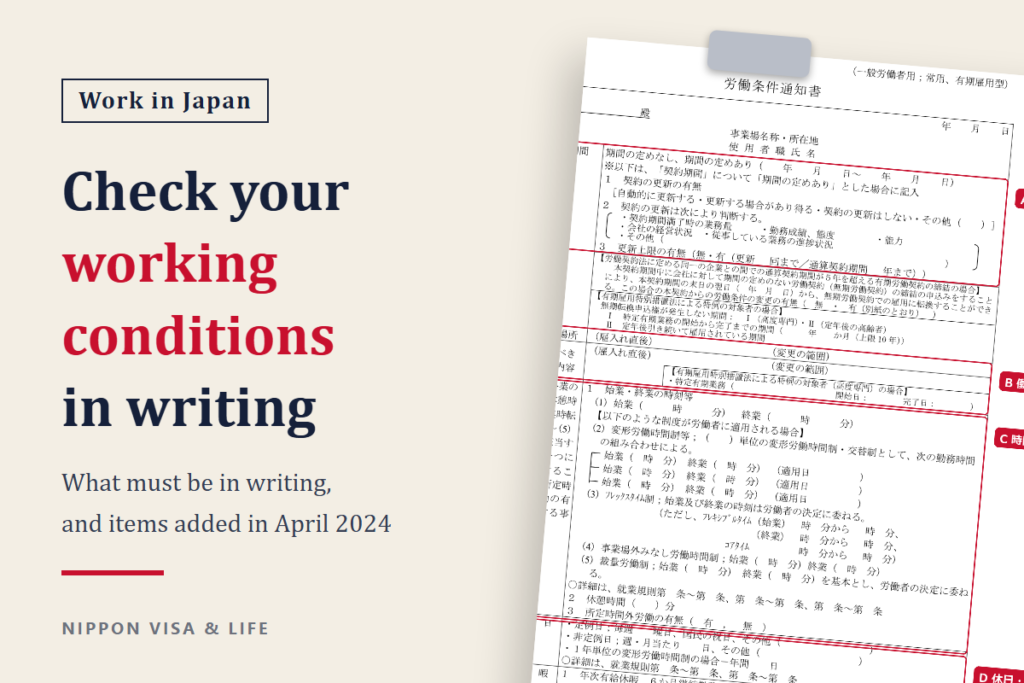
What to Check in Your Notice of Working Conditions Before Starting Work in Japan: Items You Must Receive in Writing, Items Added from April 2024, and Where to Get Help If Your Actual Conditions Differ from the Notice
Before you start working in Japan, it is important to receive your working conditions from your company in writing and check them. Based on information from the Ministry of Health, Labour and Welfare, this article covers the items that must be shown in writing (contract period, workplace and job, hours, days off, wages and leaving the job), the items added from April 2024, samples in foreign languages, and where to get help if the actual conditions are different or you cannot get a written document.